Community Engagement
We collaborate with individuals and organizations from the community to establish research priorities related to incarceration and mental health, with an emphasis on identifying opportunities and overcoming barriers. These ongoing engagement efforts includes individuals directly impacted by incarceration as well as officials from the Wisconsin Department of Corrections.
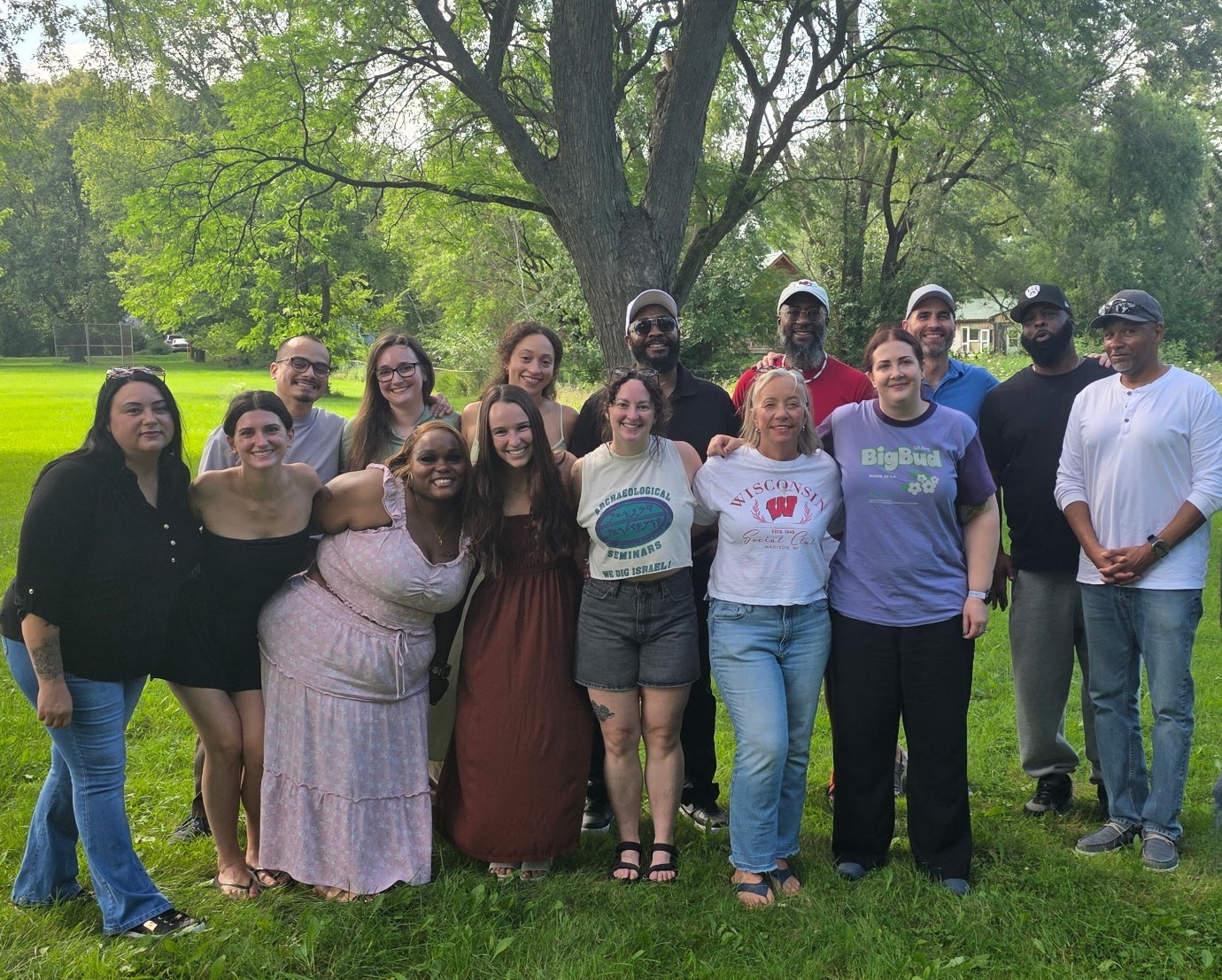
Community Partner Picnic 2026
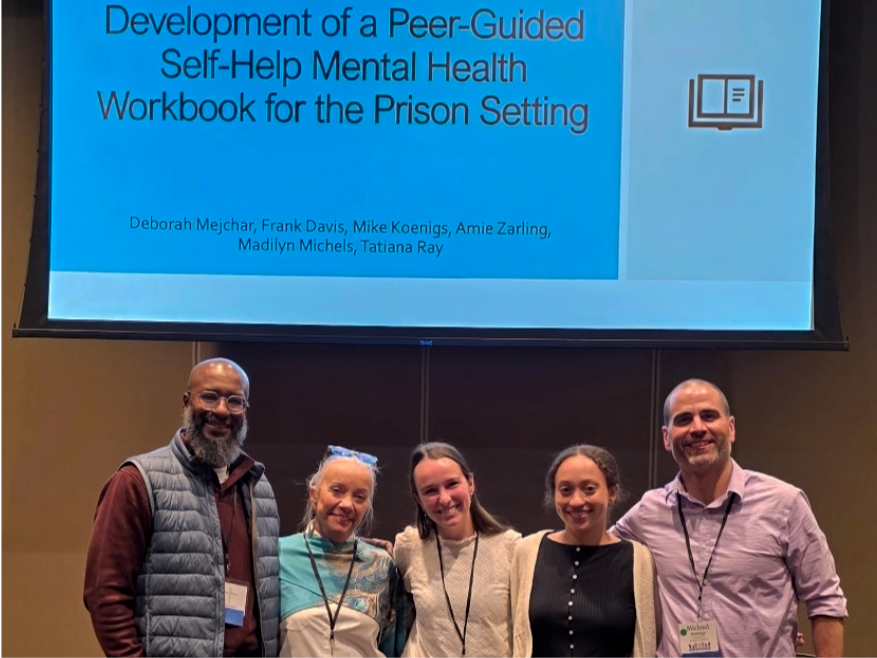
2026 Wisconsin Peer Recovery Conference: Panel on the Development of a Peer-Guided Self-Help Mental Health Workbook for Prison
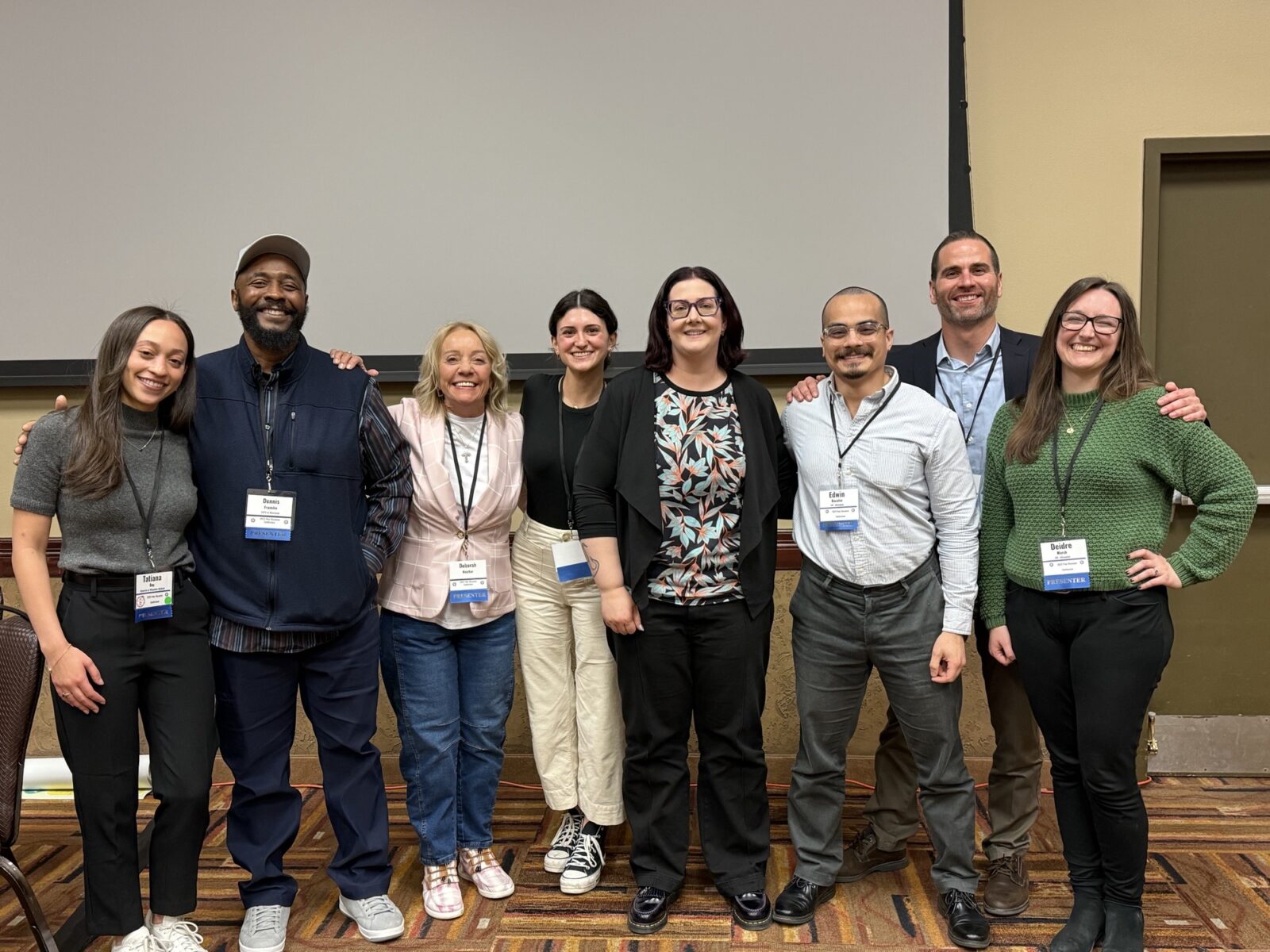
2025 Wisconsin Peer Recovery Conference: Panel on Peer-Led Trauma Therapy for Formerly Incarcerated Individuals
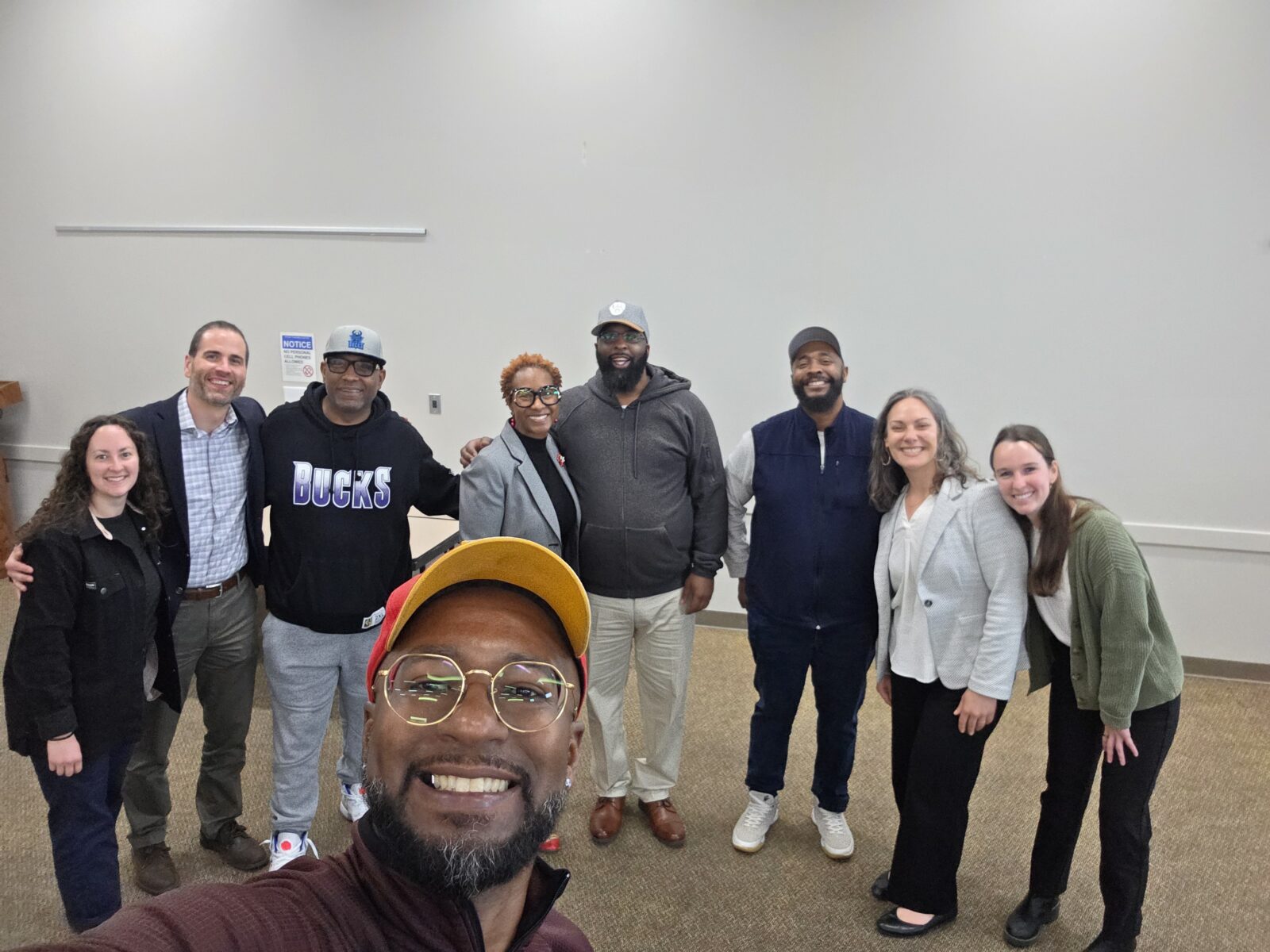
Trauma Training Workshop for Staff at a Wisconsin Youth Correctional Facility (2025)
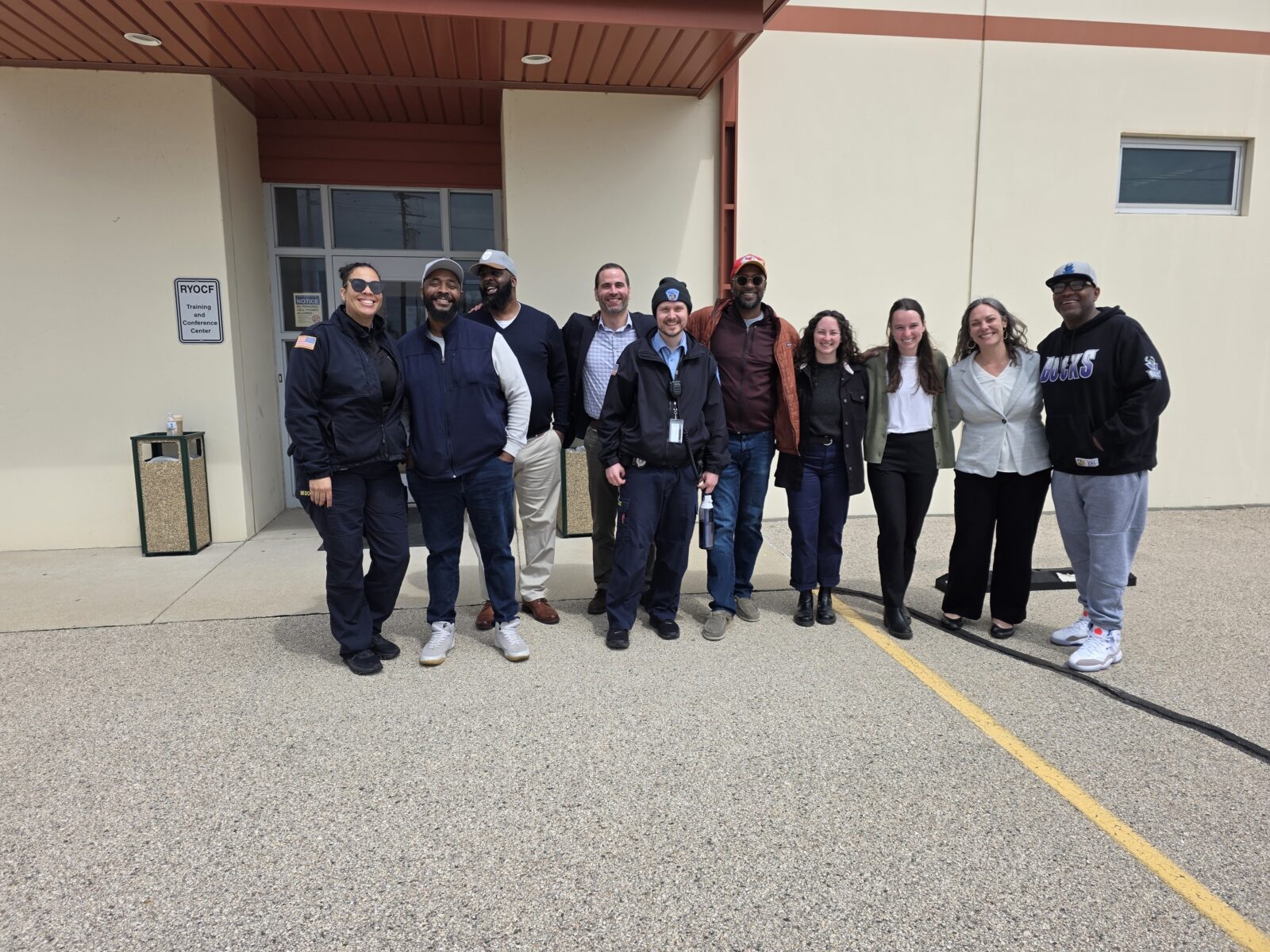
Trauma Training Workshop for Staff at a Wisconsin Youth Correctional Facility (2025)
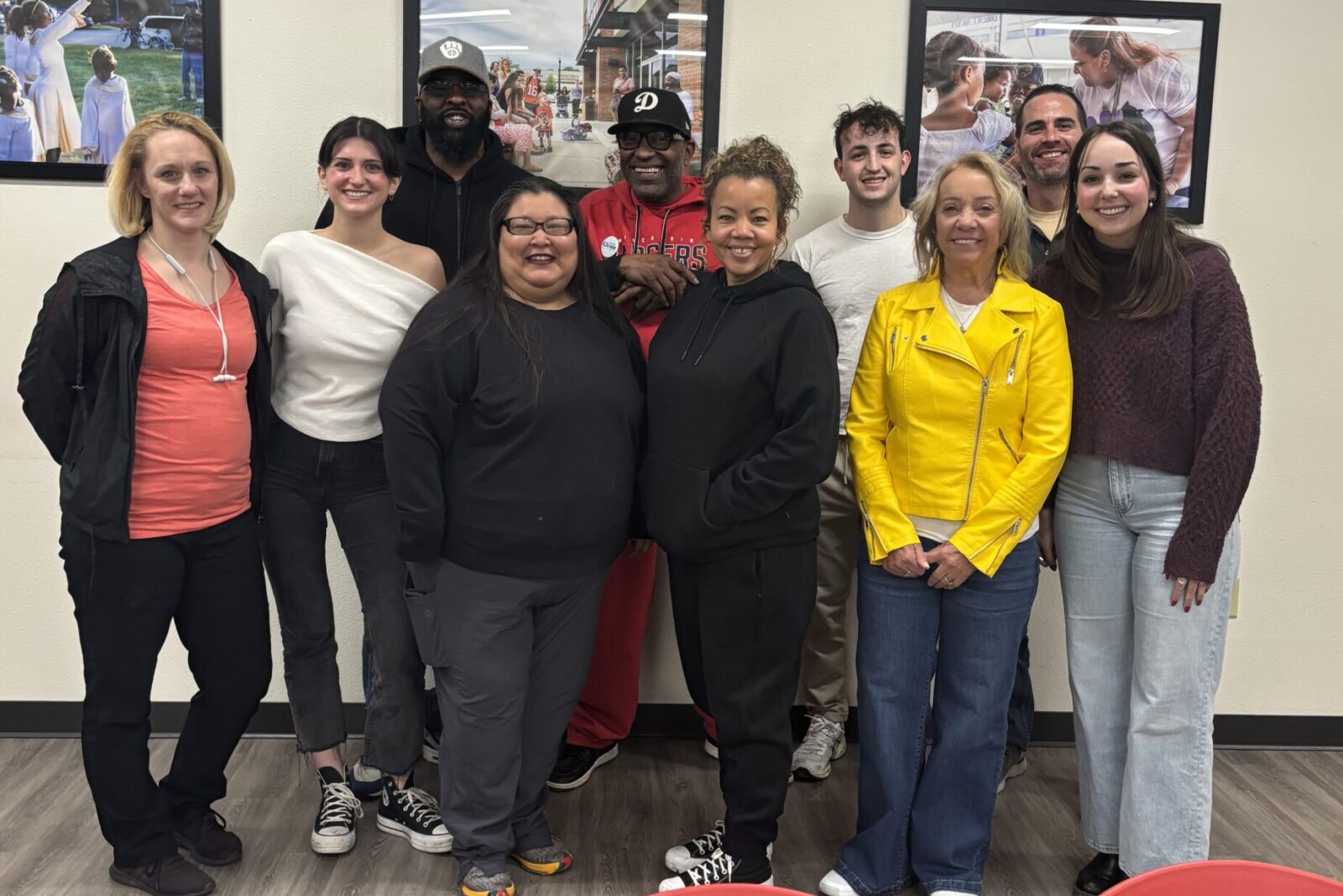
Community Advisory Board on a Re-Entry Resource Packet (2025)
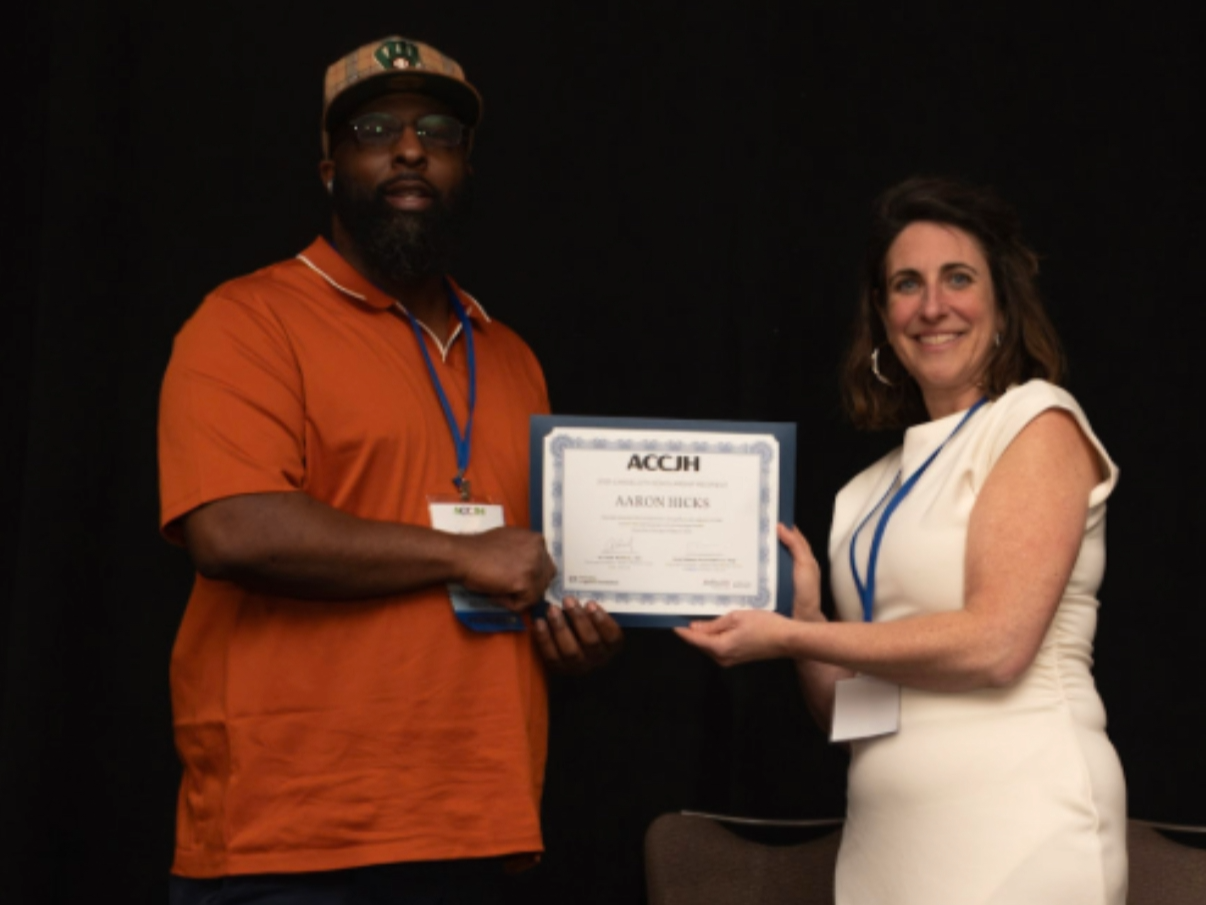
Academic Consortium on Criminal Justice Health (ACCJH) Award to Aaron Hicks (2025)
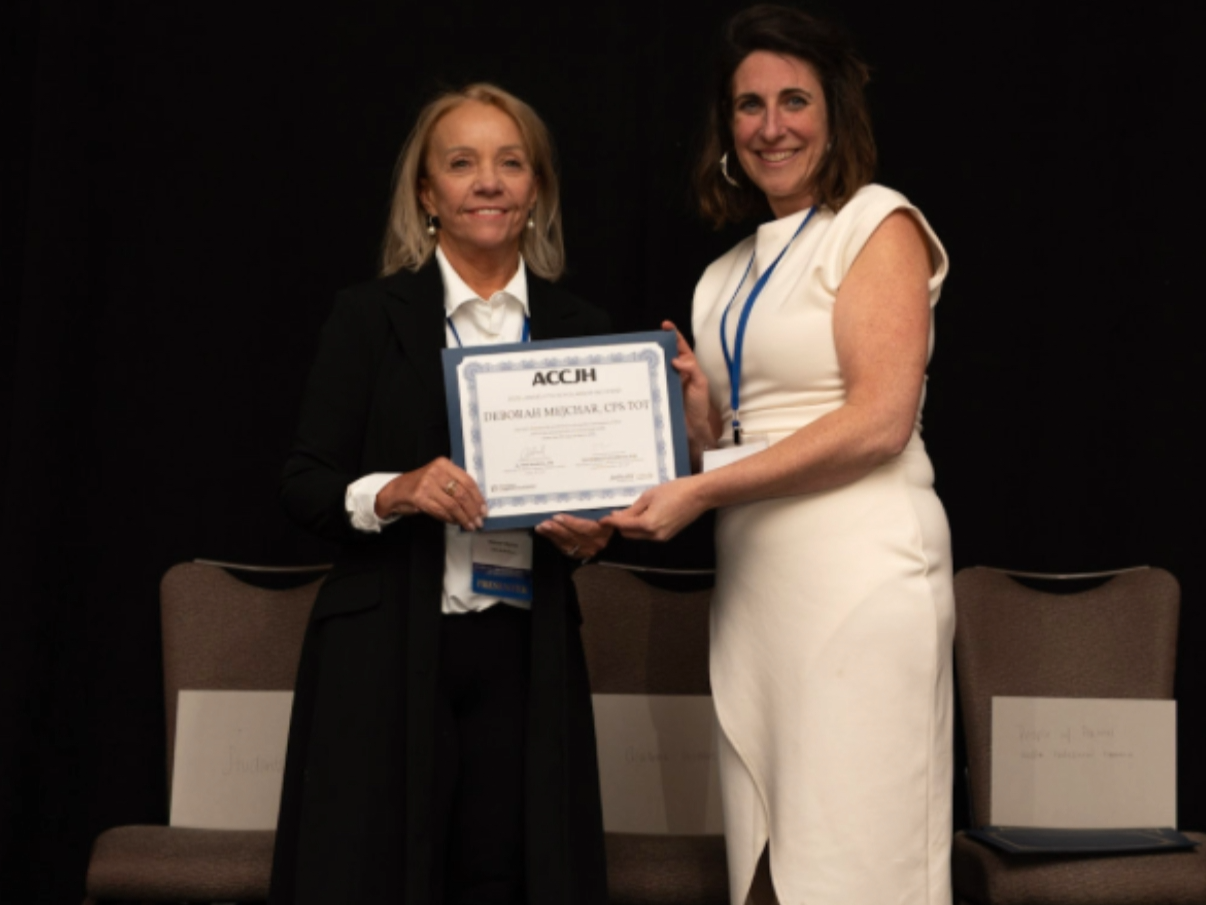
Academic Consortium on Criminal Justice Health (ACCJH) Award to Deb Mejchar (2025)
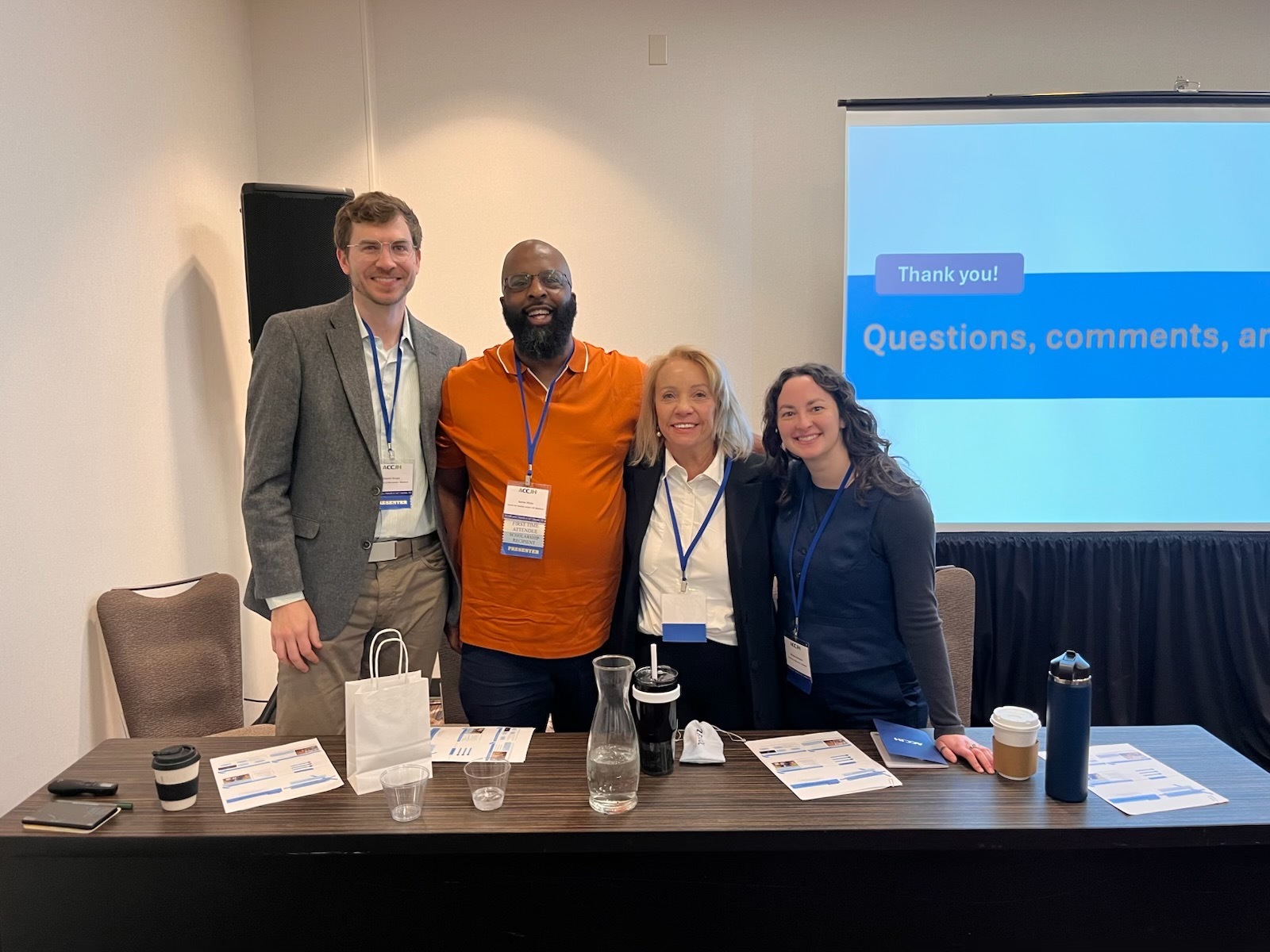
2025 ACCJH Conference Presentation: “Integrating Lived and Academic Expertise in Research on Mental Health and Incarceration”
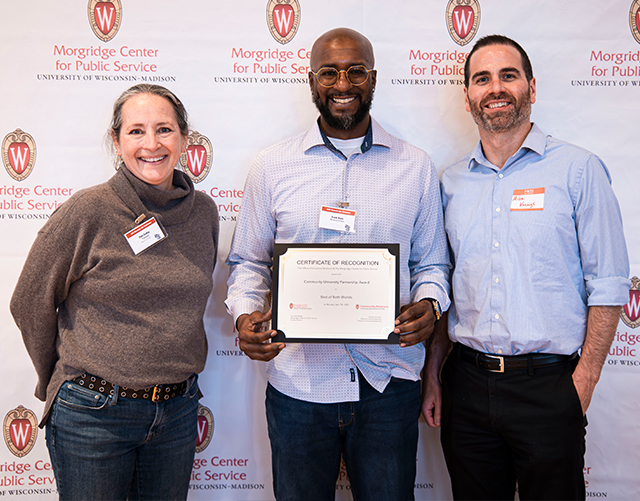
2025 Community University Partnership Award (CUPA) to The Voices of Power (TVOP)
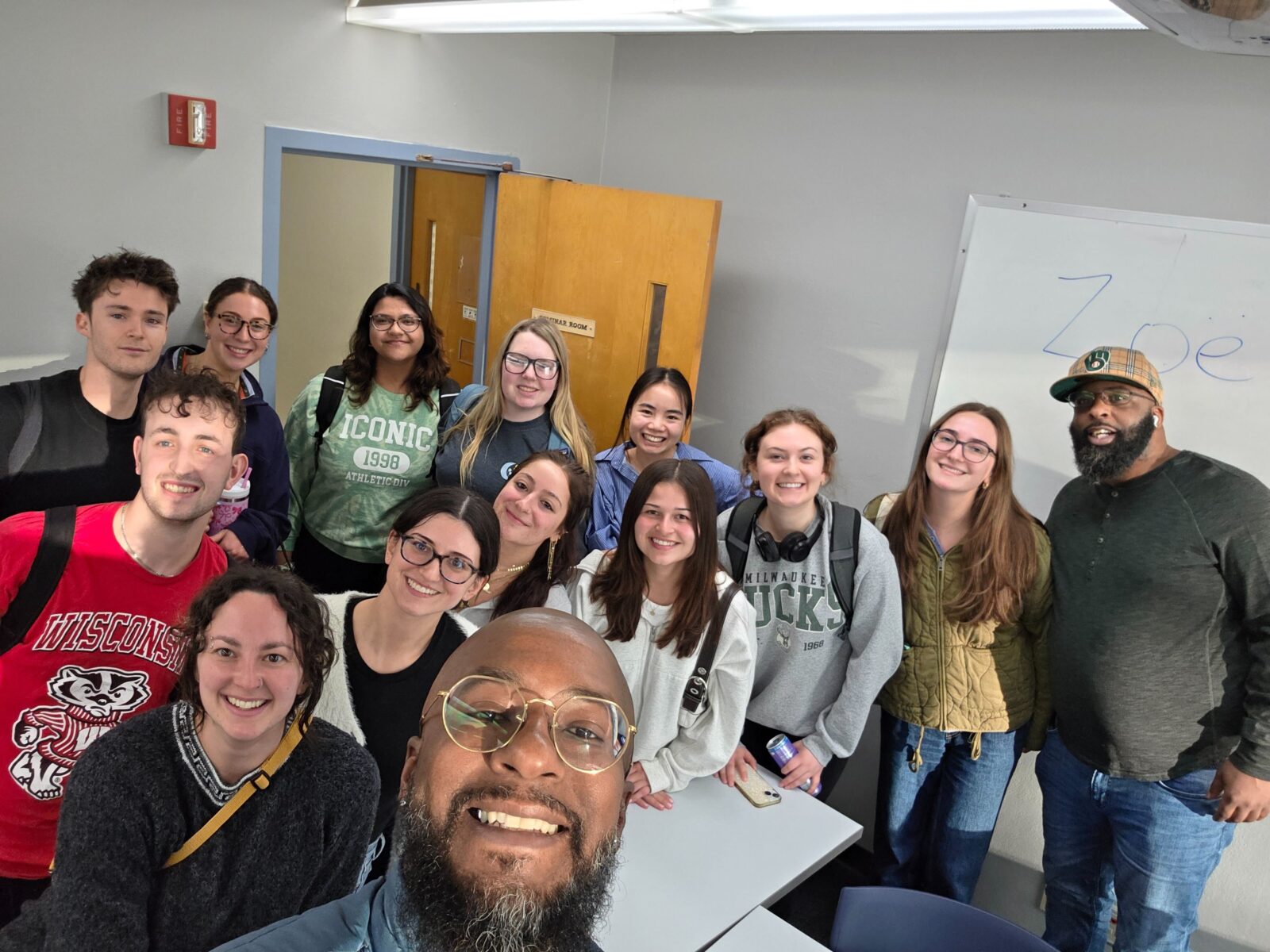
2025 Undergraduate Research Assistant Lab Meeting With The Voices of Power (TVOP)
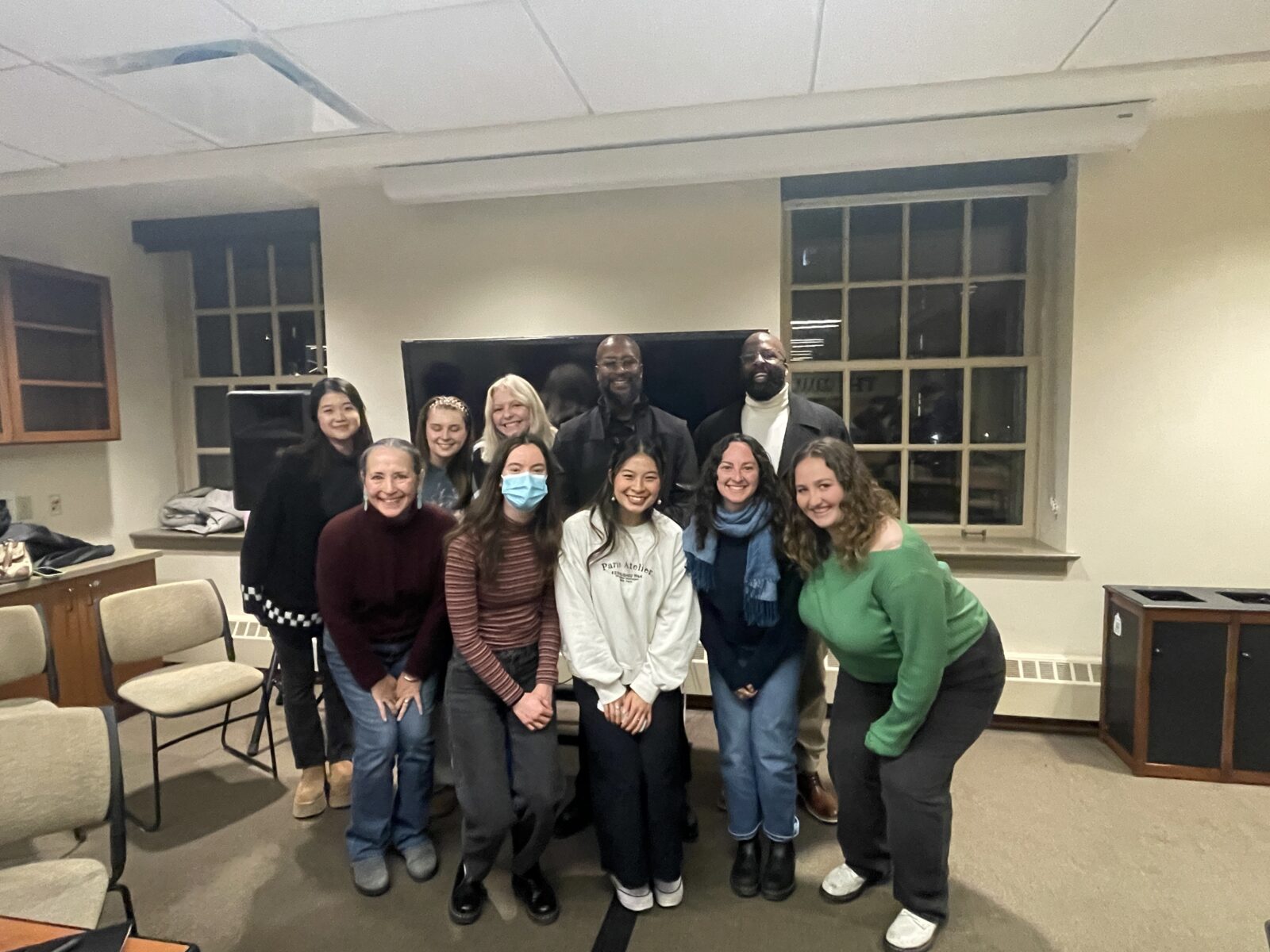
The Voices of Power (TVOP) Collaborating with UW–Madison 2024 Senior Capstone Class Focused on Reentry Issues
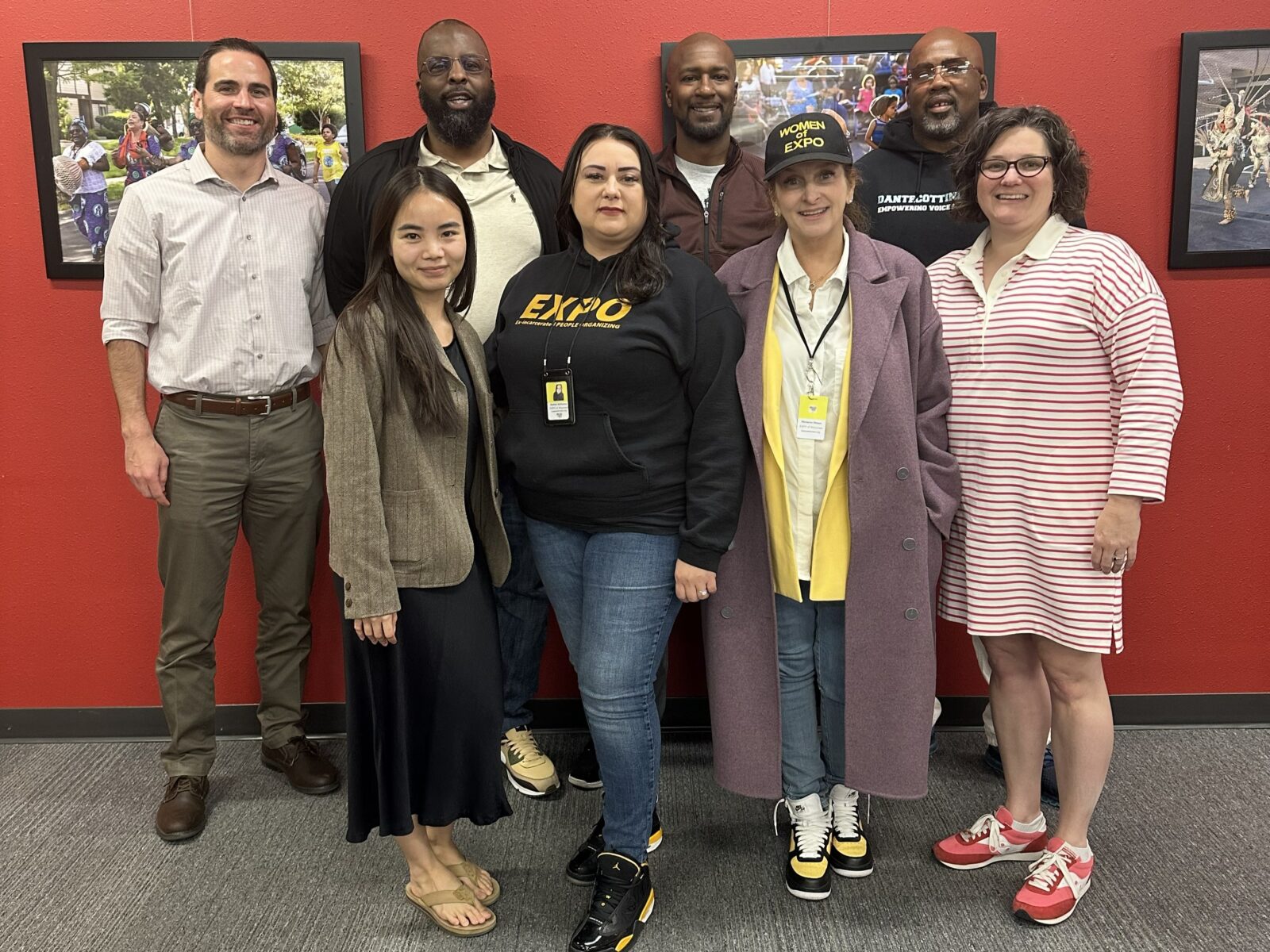
2024 Prison Education Initiative (PEI) Community Advisory Board
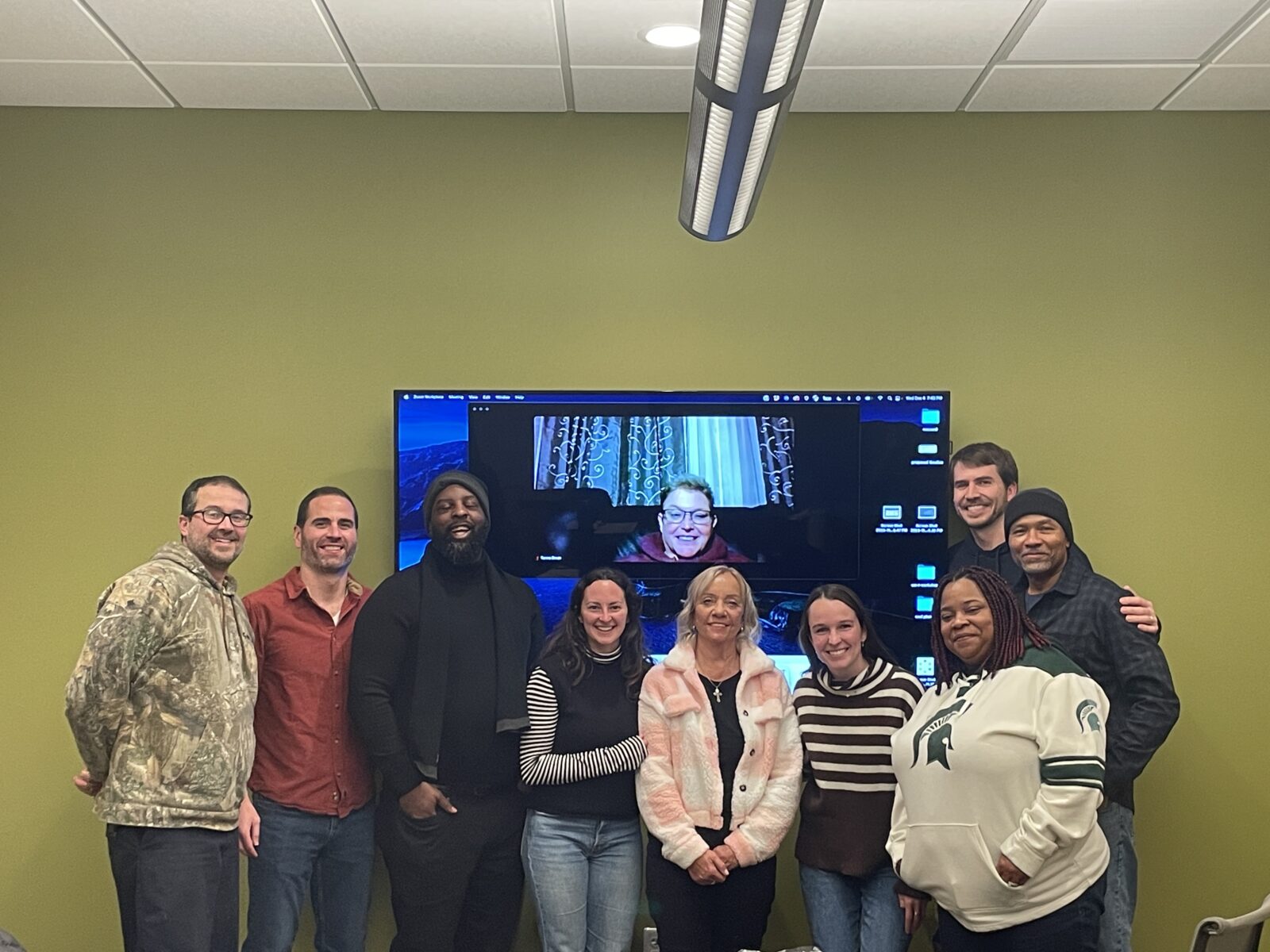
2024 Patient-Centered Outcomes Research Institute (PCORI®) Community Advisory Board
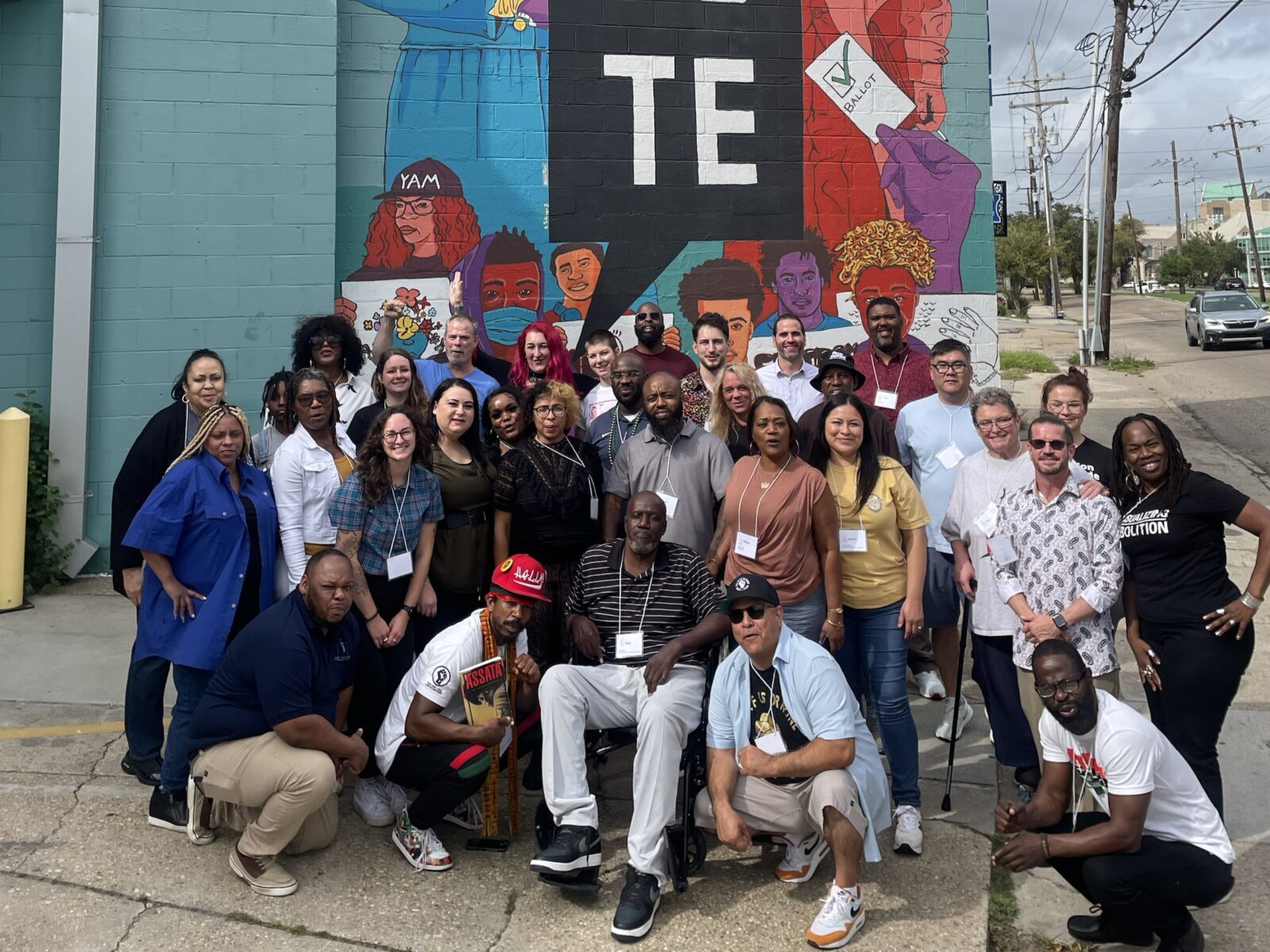
2024 Formerly Incarcerated Radically Empowered (FIRE) Collective
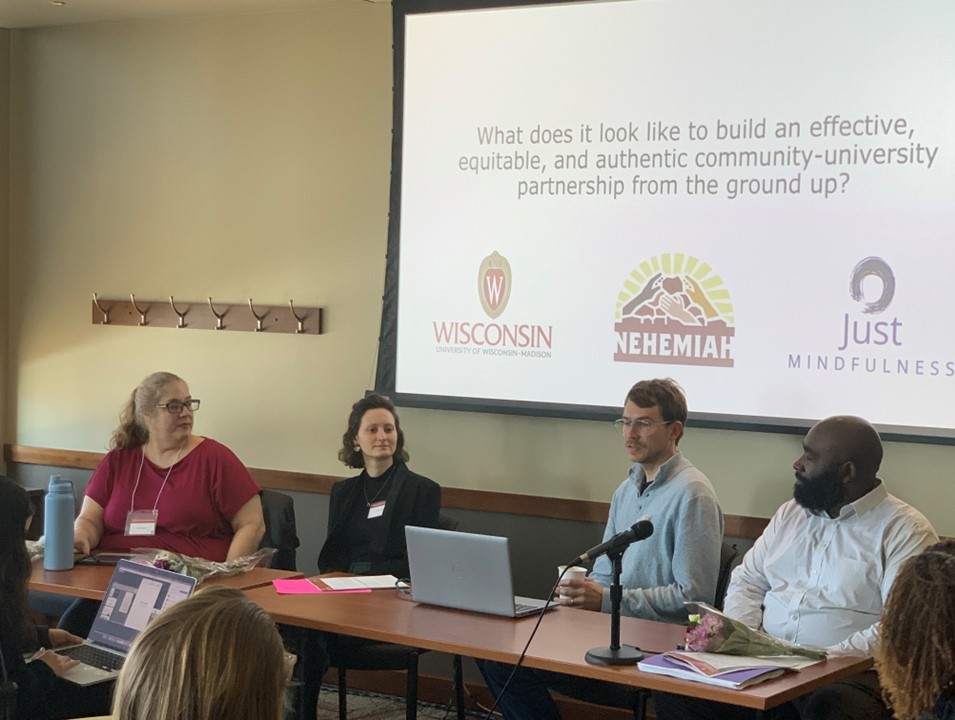
2023 Wisconsin Idea Conference
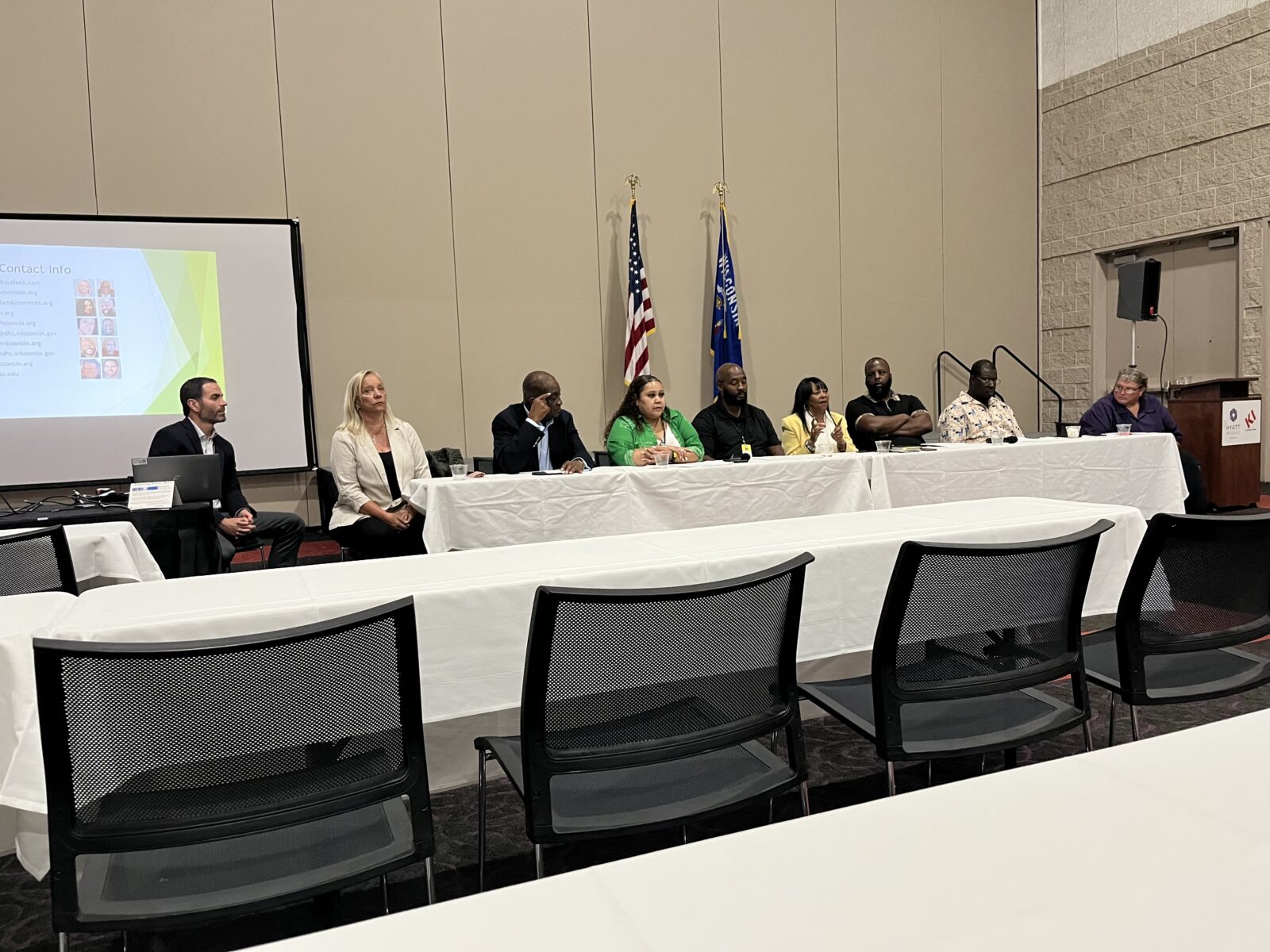
2023 Deputy Wardens Conference: Panel on Peer Support
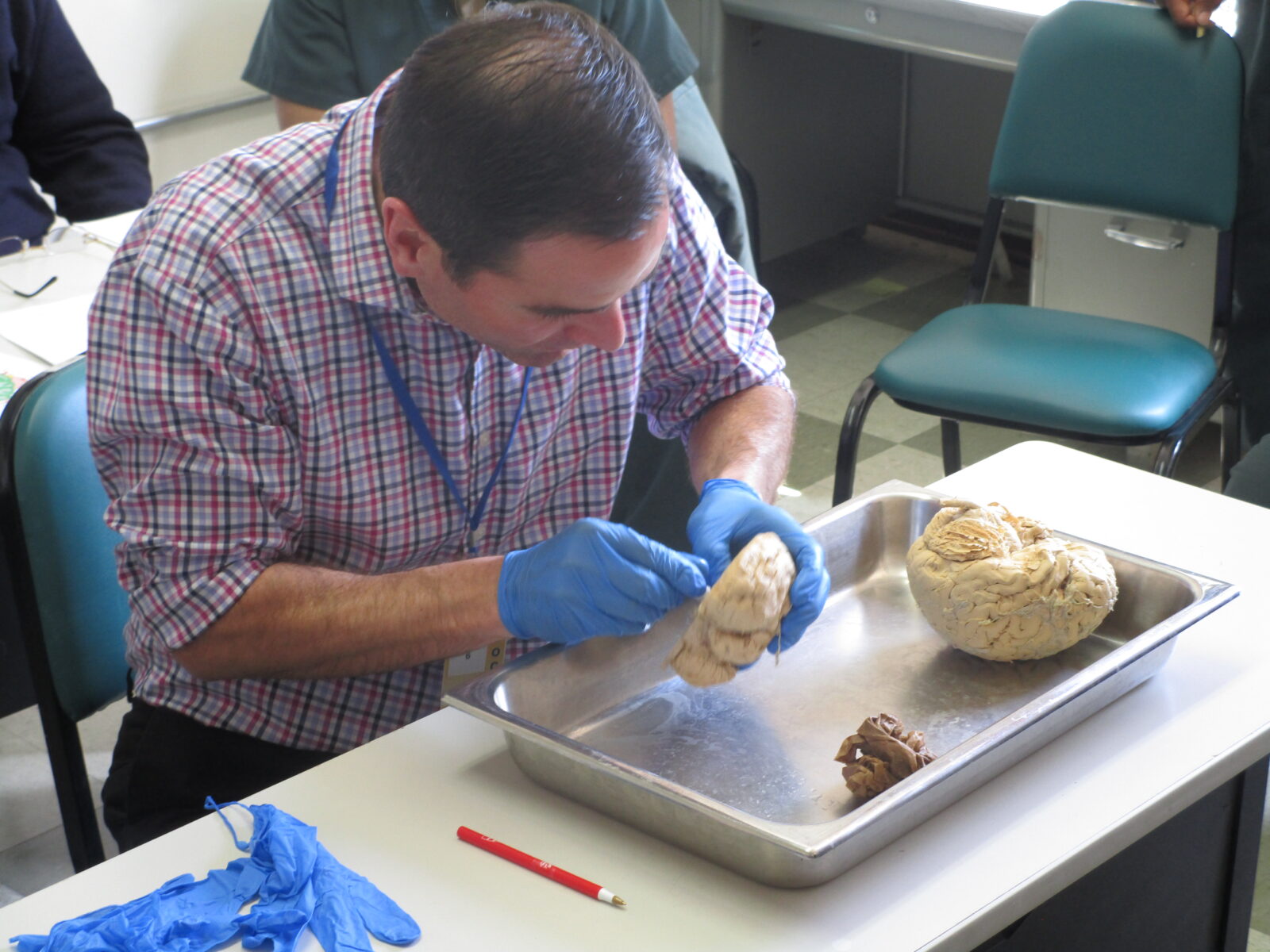
2023 Brain Anatomy Lab at Oakhill Correctional Institution Through Odyssey Beyond Bars
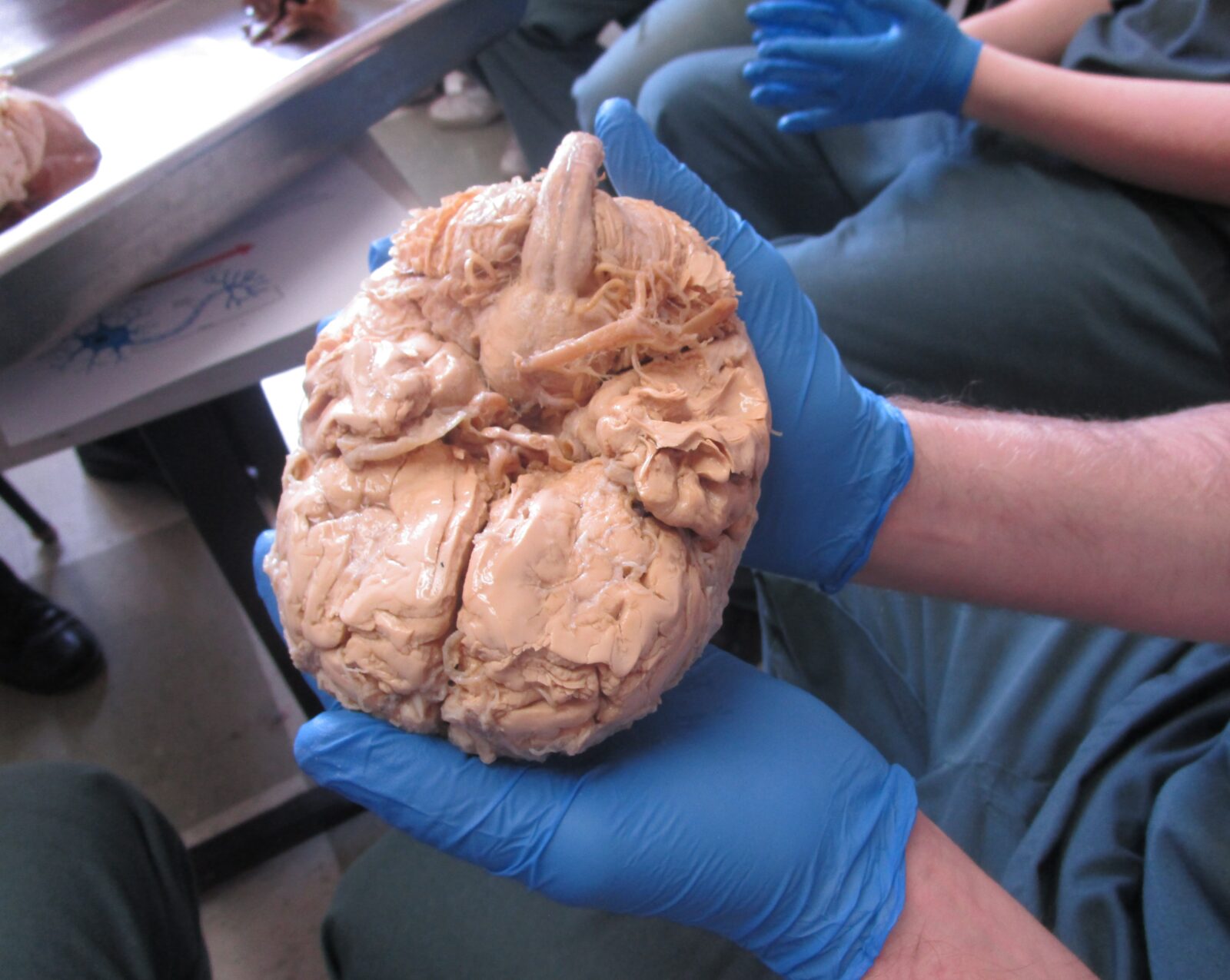
2023 Brain Anatomy Lab at Oakhill Correctional Institution Through Odyssey Beyond Bars
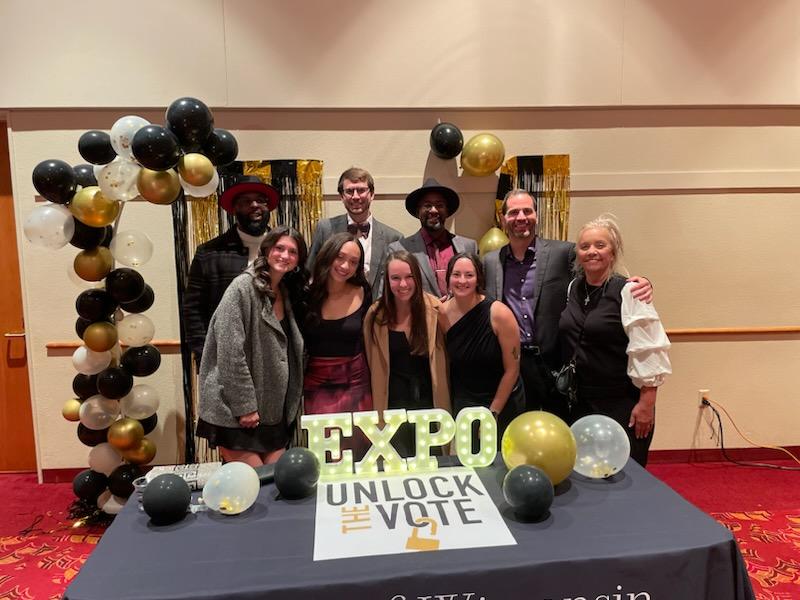
EX-Incarcerated People Organizing (EXPO) 2023 Fundraiser Gala
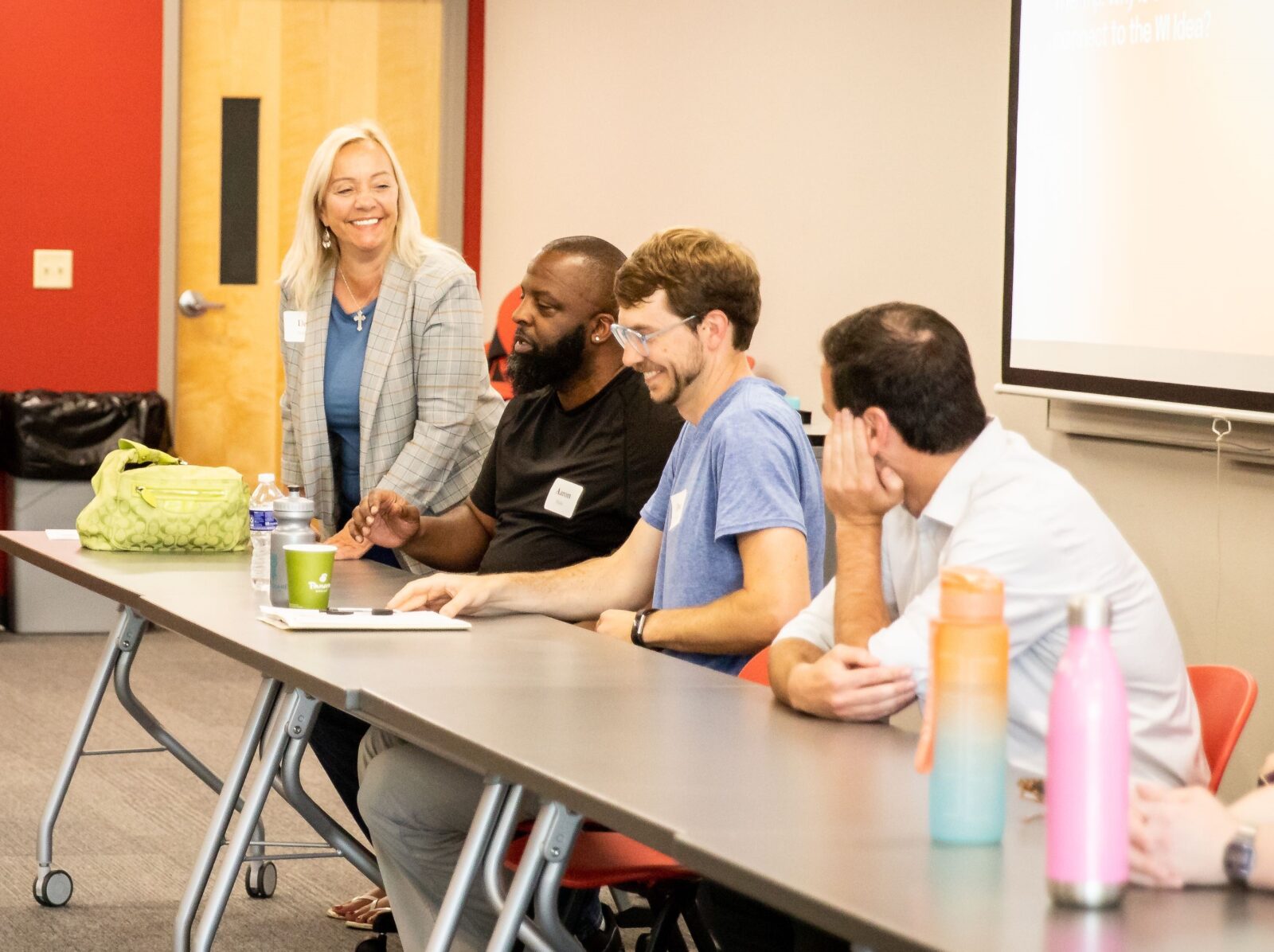
2023 Community Engagement Panel
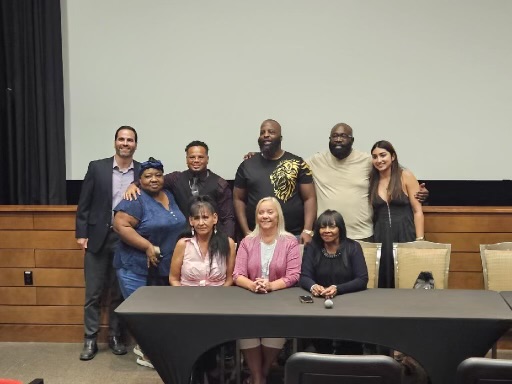
From Ashes to Beauty: Stories After Incarceration (2023) Film Premiere
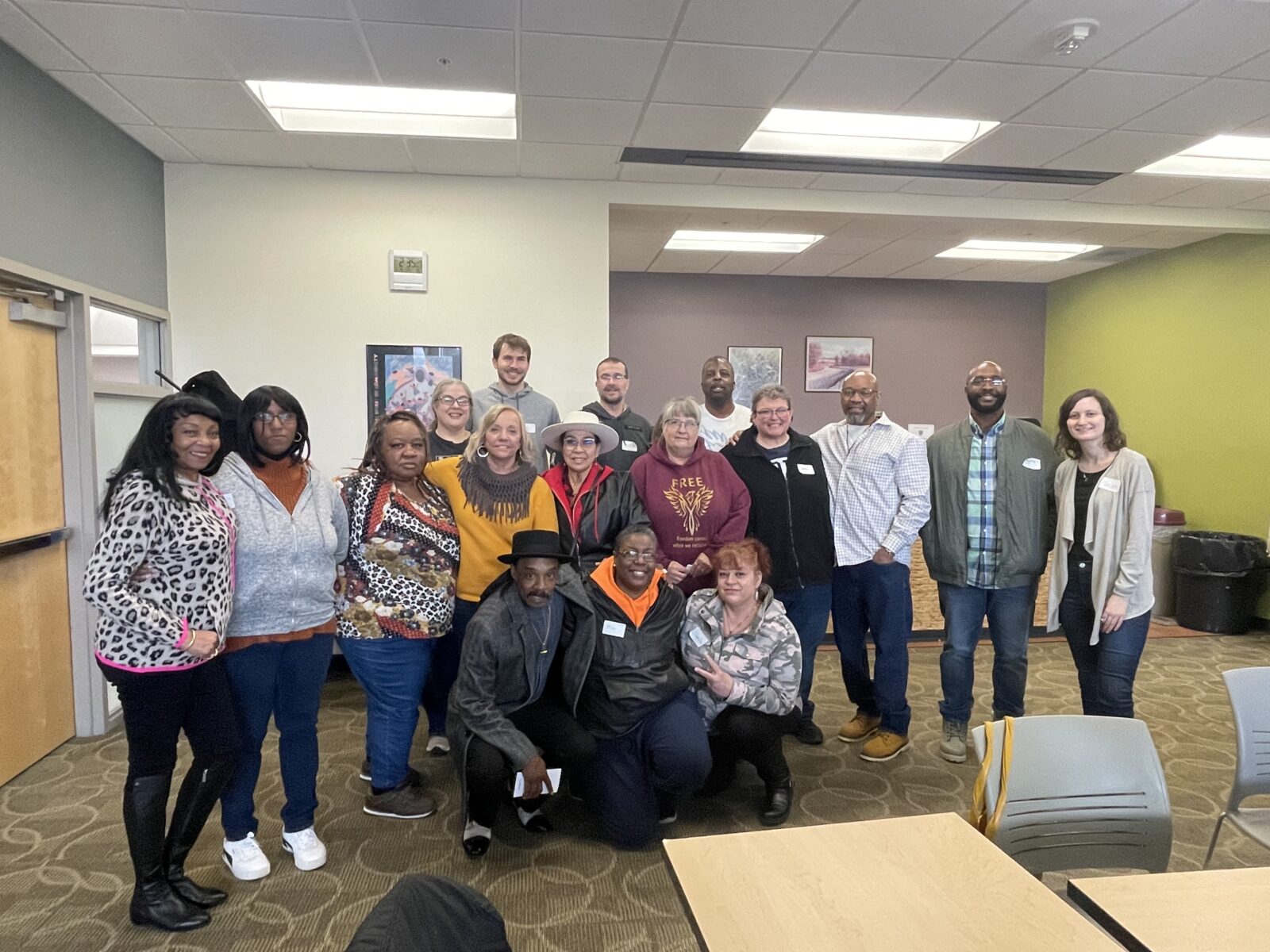
2022 Community Advisory Board
This resource guide was created by students and staff in the Incarceration and Mental Health Research Group at UW–Madison alongside a panel of community experts with lived experience of incarceration and reentry. By providing information, step-by-step instructions, and lists of local services, this resource guide can provide support and help individuals overcome barriers they may face when reentering our Dane County, WI communities after incarceration. Whether you are a currently or formerly incarcerated individual, peer, case coordinator, social worker, mental health professional, or supporter, we hope this guide helps you find and navigate resources that are best suited for your situation.
The goal of this resource guide is to provide as many options as possible for individuals, so that they can choose the resources that they feel are best suited to their needs and goals. While keeping this goal in mind, we also want to highlight that oftentimes community resources are underfunded, understaffed, have high staff turnover, etc. These factors may impact someone’s experience, good or bad, with each of the community resources listed. Therefore, just because a resource is listed in this guide, does not mean that those who created this guide endorse the resource.
Additionally, this guide is continually being updated with resources, to promote accessibility, improve ease-of-use, and to better serve those in the community. Please share any feedback you have by completing the brief survey linked below.
Stay Connected! Join our mailing list by emailing reentryresourcepacket@psychiatry.wisc.edu to be notified when updated resource guides become available.
With funding from the Patient Centered Outcomes Research Institute (PCORI®) we partnered with community members with lived expertise on incarceration and mental health to identify barriers and facilitators to mental healthcare in prison and develop a research agenda that centers their perspectives.
- The Summary Report and Research Agenda provides an overview of the project, including the barriers and facilitators and an agenda for research on incarceration and mental health (e.g., outcomes, research questions).
- The Toolkit outlines key considerations for conducting community engaged research with formerly incarcerated individuals.
The research agenda and toolkit linked above are living and working documents. Our team is consistently updating the material to reflect the perspectives of our team, as well as our mission and vision. It is our hope that these documents can serve as a resource for others conducting research with incarcerated populations or working within the community to support individuals impacted by the criminal legal system. If you intend to use either of these documents in any capacity, we ask that you credit our team including academic and community partners. The statements presented in this report are solely the responsibility of the authors and do not necessarily represent the views of the Patient-Centered Outcomes Research Institute® (PCORI®), its Board of Governors or Methodology Committee.
“For the past four years, Hicks, Mejchar, and Koenigs have worked together to develop and lead research projects aimed at improving mental health and wellbeing among currently and formerly incarcerated individuals. In this presentation, they will discuss the lessons they have learned regarding recruitment of research participants for these projects. In particular, they will highlight the critical importance of relationships built on trust and credibility” (D&I Launchpad, 2024).
“For the past three years, Aaron and Mike have worked together to identify barriers and opportunities for improving mental health and well-being among currently and formerly incarcerated individuals. This effort has been centered around the input of a community advisory board composed of individuals with lived experience of incarceration. In this seminar, Aaron and Mike discuss the development of this partnership, lessons learned, ongoing collaborative research projects, and future opportunities for UW–Madison to play a more substantial role in addressing health inequities in the community” (D&I Launchpad, 2024).
“Too often, narratives of formerly incarcerated people center on failure and tragedy. From Ashes to Beauty: Stories After Incarceration aims to share the humanity, beauty, hope, and joy that life after incarceration can be—and emphasize the role that peer support has in finding that. Created by recent UW–Madison graduate Mabel Malhotra, with the help of Deb Mejchar, Aaron Hicks, and Dr. Mike Koenigs, this documentary film highlights four individuals from across Wisconsin—Eugene Crisler’El and Anthony Cooper from Madison, Antonia Drew Norton from Milwaukee, and Vicky Harrison from the Menominee Reservation. Each person has a uniquely powerful story, but they all share a strong love for their families and communities. Having endured the Wisconsin prison system, their experiences before and during incarceration inform the impactful work each of them are doing in their communities now, lifting up those who are facing struggles they themselves know too well” (Malhotra, 2023).